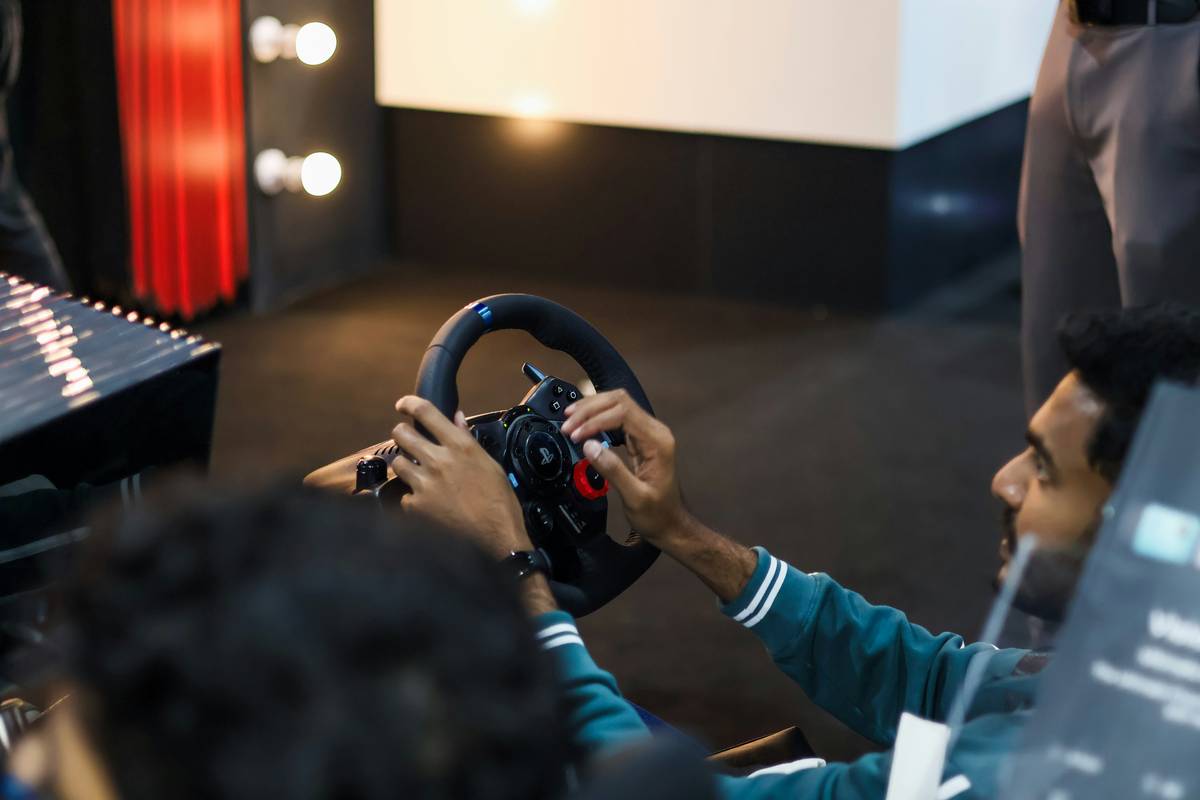
If you’ve ever watched miniature cars zip around a plastic track at dizzying speeds—wheels barely gripping the rails, drivers leaning into turns with intense focus—you know slot car racing isn’t just a nostalgic toy. It’s a competitive, high-precision hobby that blends skill, engineering, and real-time reflexes. Yet many newcomers treat slot car racing primary games like simple kids’ toys, only to crash out on their first lap. In this guide, we’ll unpack what makes these analog-electric hybrids uniquely thrilling in today’s digital gaming landscape—and how to master them without frying your controller or fracturing your favorite chassis.
Table of Contents
- Why Slot Car Racing Matters in Modern Gaming
- Step-by-Step Guide to Getting Started
- Best Practices for Serious Players
- Real-World Examples of Success
- Frequently Asked Questions
Key Takeaways
- Slot car racing primary games offer tactile, screen-free competition rare in today’s digital-dominated gaming world.
- Track layout, power supply calibration, and car weight distribution dramatically affect performance.
- Beginners often overlook voltage settings—a classic rookie error that leads to burnt motors.
- Official racing leagues like those governed by the International Slot Racing Association (ISRMA) standardize rules for fair play.
- Regular maintenance prevents costly replacements and keeps race times consistent.
Why Slot Car Racing Matters in Modern Gaming
In an era dominated by hyper-realistic simulators and online multiplayer arenas, the enduring appeal of physical racing games might seem surprising. But according to the Toy Association, analog hobbies like slot car racing saw a 22% sales increase during 2020–2023 as gamers sought offline, hands-on experiences. Unlike virtual racing titles where AI assists steering or traction control, slot car racing primary games demand full manual control—your hand directly modulates speed via a trigger, making every turn a test of finesse.
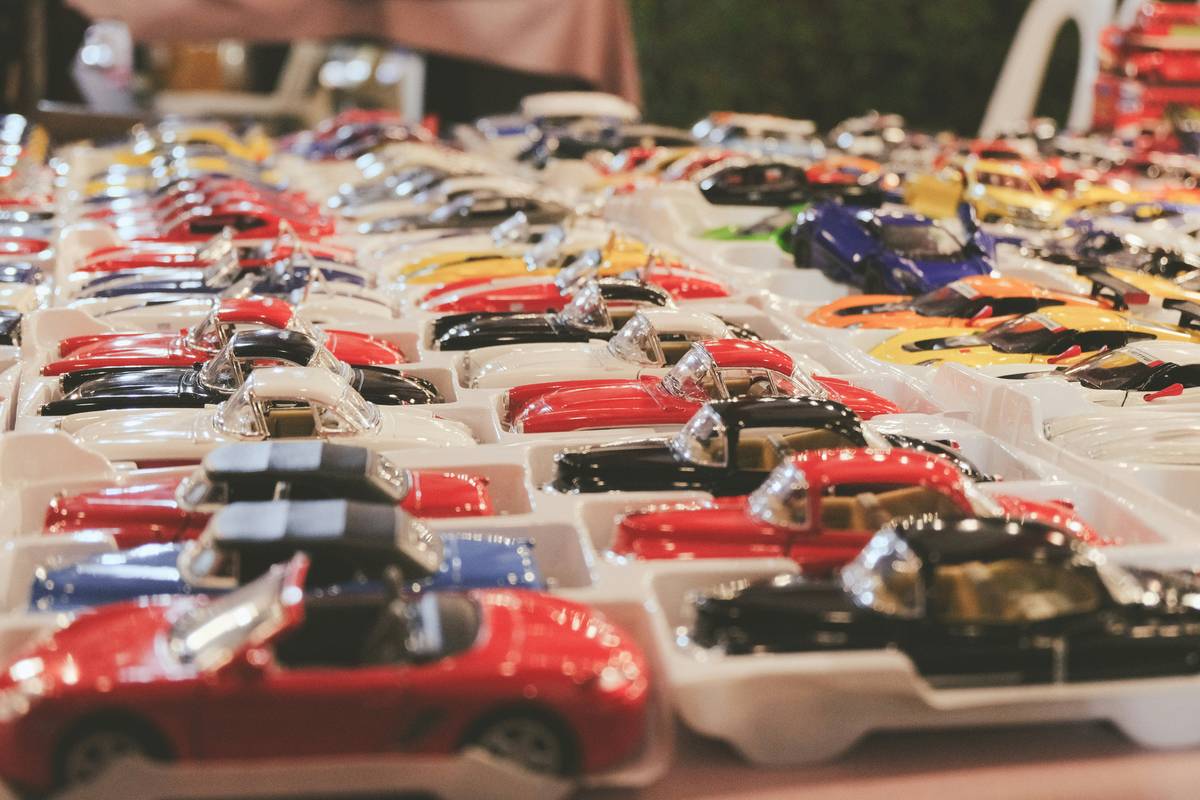
I learned this the hard way. On my first serious run with a vintage Aurora Thunderjet set, I maxed out the voltage to “win faster.” Result? Smoke. A melted guide flag. And a $45 replacement motor. Never assume more power = better performance—it’s about precision modulation, not brute force.
Step-by-Step Guide to Getting Started
1. Choose Your Scale and System
Most beginners start with 1:32 scale (e.g., Scalextric or Carrera), which balances detail and affordability. For younger racers, 1:64 (like Hot Wheels Digital) works well. Ensure all components—track, cars, controllers—are from the same brand initially to avoid compatibility headaches.
2. Assemble the Track Correctly
Lay track pieces on a flat, stable surface. Uneven joints cause derailments. Use double-sided tape underneath curves to prevent shifting mid-race. Always connect power taps symmetrically to maintain consistent voltage across lanes.
3. Calibrate Your Power Supply
Start at 10–12 volts for standard setups. Higher-end systems may use up to 18V, but only after verifying your car’s motor rating. According to the International Slot Racing Model Association (ISRMA), exceeding recommended voltage is the #1 cause of premature motor failure.
4. Break In Your Cars
Run new cars gently for 10–15 minutes before racing hard. This seats the brushes against the commutator, reducing arcing and extending lifespan.
Best Practices for Serious Players
- Clean regularly: Use isopropyl alcohol on rails and pick-ups to remove dust buildup that causes erratic speed.
- Benchmark lap times: Track performance weekly to spot mechanical degradation early.
- Avoid the “terrible tip”: Don’t lubricate motor armatures—that attracts metal shavings and worsens wear.
- Upgrade strategically: Better tires (urethane over rubber) improve cornering far more than flashy body kits.
Real-World Examples of Success
The ISRMA hosts annual championships drawing competitors from 18 countries. In 2023, UK racer Liam Foster won the 1:32 Pro Class using a modified SCX car with custom gear ratios and balanced flywheel weights. His secret? Meticulous data logging—he tracked voltage draw, lap consistency, and tire wear across 200+ practice runs, proving that slot car racing primary games reward analytical rigor as much as reflexes.
Even casual clubs benefit. The Bay Area Slot Racers League reports that members who follow basic maintenance protocols see 40% fewer DNFs (Did Not Finish) during league nights. Reliability matters as much as speed.
Frequently Asked Questions
What’s the difference between analog and digital slot car systems?
Analog systems allow one car per lane; digital (like Carrera Digital 132) lets multiple cars share a single lane using coded signals. Digital offers more complex racing but costs roughly 2.5x more.
Can I mix brands like Scalextric and Carrera?
Generally no—track connectors, voltage requirements, and guide depths differ. Some third-party adapters exist, but they often introduce reliability issues.
How do I fix a car that keeps deslotting?
Check guide flag height first—it should sit flush with the chassis bottom. Then verify rear tire grip; worn rubber loses lateral traction in corners.
Are there mobile apps that enhance gameplay?
Yes! Apps like “Slot Timer” (iOS/Android) record lap times and analyze performance trends—great for tracking progress in slot car racing primary games.
Is slot car racing safe for kids?
Absolutely, with supervision. Systems operate at low voltage (typically under 20V DC). Still, review safety practices outlined in our Privacy Policy regarding electronic toy usage.
Where can I learn more about official rules?
The Wikipedia entry on slot car racing provides a solid overview of historical and competitive frameworks. For deeper insight, explore our About Us page to understand our team’s hands-on experience in analog gaming communities.
Ready to stop crashing and start competing? Fine-tune your setup, join a local club, and remember: the fastest lap isn’t always the flashiest—it’s the smoothest. Got questions we didn’t cover? Contact us—we’re all ears (and spare guide flags).