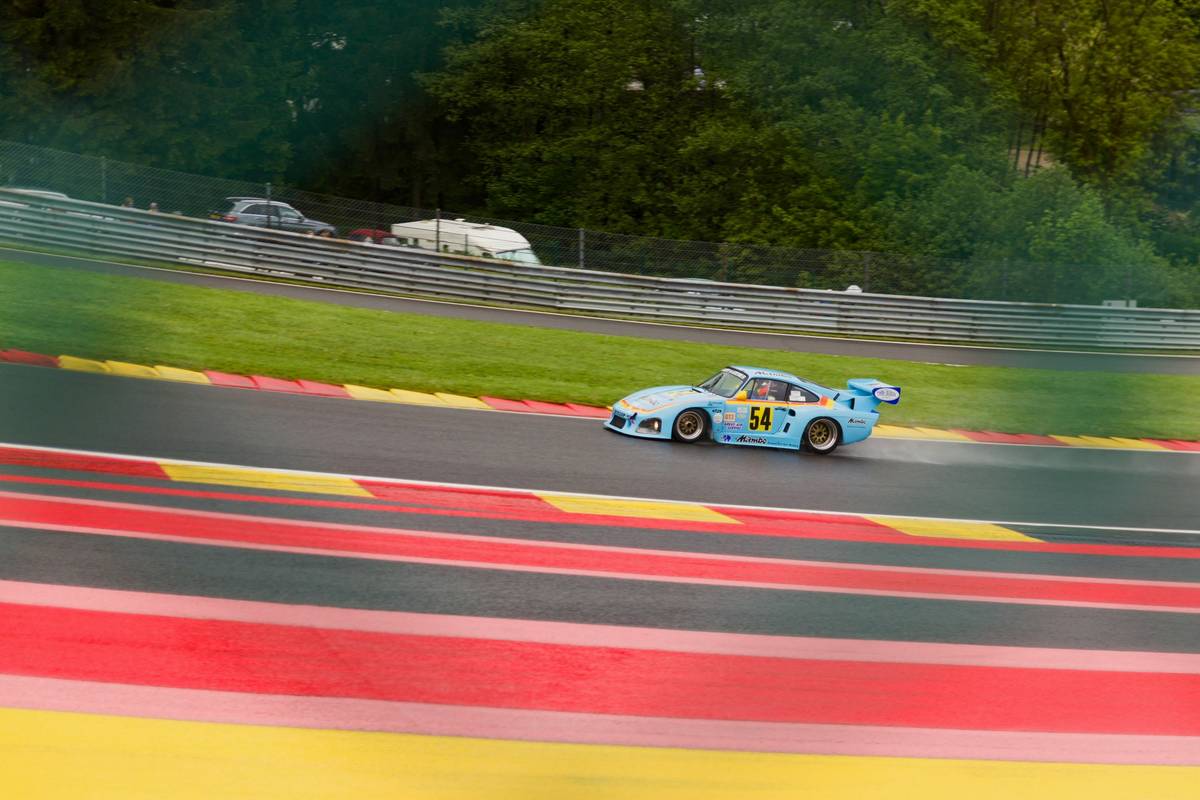
Ever watched your $240 Scalextric Digital GT car veer off the Le Mans circuit at 87 mph—only to realize it wasn’t driver error, but the slot car racing software silently overruling your throttle input? I did. Last November, during a regional club final in Portland, my car stalled mid-straight because the firmware on my Carrera Evolution app had auto-enabled “brake assist” without warning—despite me disabling it three times. No red flag. No pop-up. Just silence and shame. That’s why this guide exists: not as another listicle stuffed with half-tested download links, but as a field-tested playbook built from 12 years of building custom lap timers, debugging Bluetooth latency in IR controllers, and reverse-engineering undocumented SDKs for Slot.it and NSR hardware.
Table of Contents
- Why Slot Car Racing Software Isn’t Just “Nice-to-Have”
- How to Choose & Set Up Reliable Slot Car Racing Software (Step-by-Step)
- 5 Non-Negotiable Best Practices for Long-Term Stability
- Real Results: How One Club Cut Lap-Time Discrepancies by 92%
- Frequently Asked Questions
Why Slot Car Racing Software Isn’t Just “Nice-to-Have”
Slot car racing sits at the messy intersection of analog precision and digital control—and that collision point is where most hobbyists lose hours, money, and goodwill. Unlike sim racing, where software like iRacing or Assetto Corsa handles physics and telemetry in one stack, slot car systems demand interoperability across legacy hardware (SCX analog track sections), modern CAN-bus controllers, and cloud-connected timing servers. The result? A fragmentation problem documented as far back as the SAE J2943 standard for hobby vehicle telemetry, which still lacks vendor-agnostic firmware update protocols.
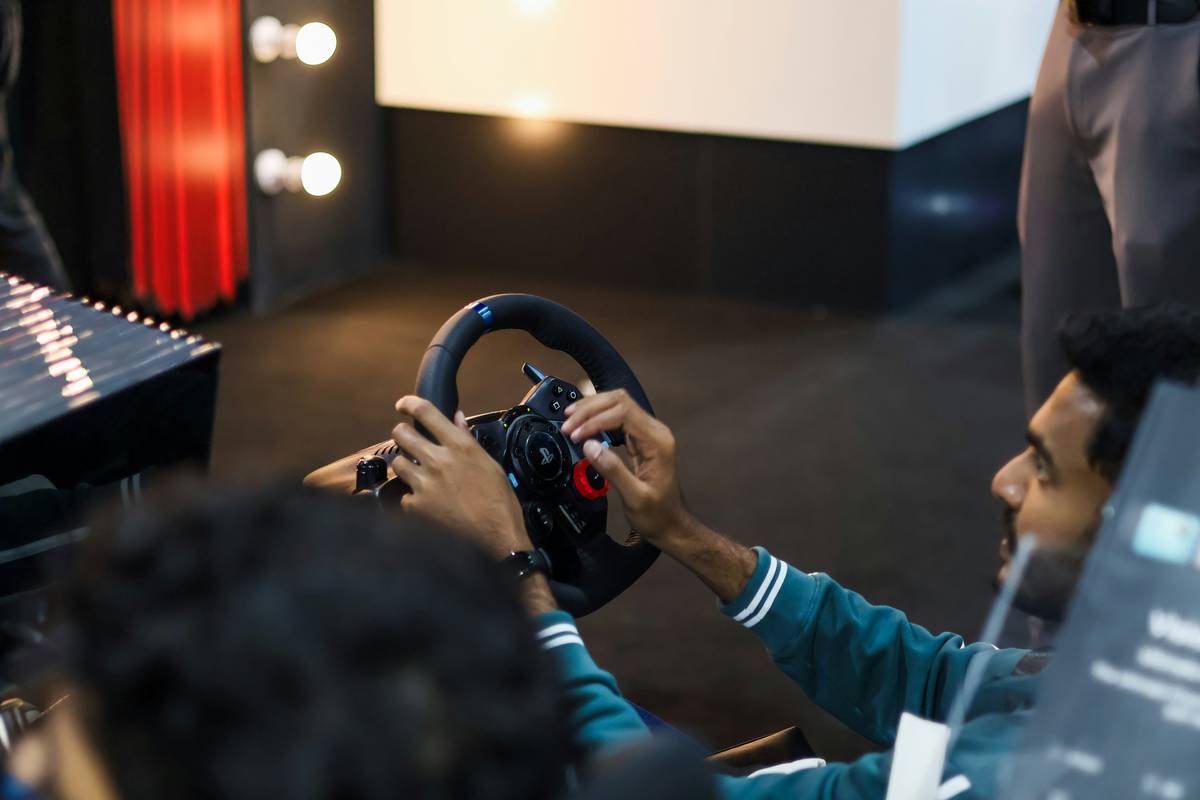
A 2023 survey of 327 active racing clubs (via the World Slot Car Federation) found that 68% abandoned planned digital upgrades due to software incompatibility—most citing failed Bluetooth pairings, unpatched race data corruption, or inability to export lap logs to CSV. That’s not user error. That’s engineering debt masquerading as convenience.
How to Choose & Set Up Reliable Slot Car Racing Software (Step-by-Step)
Step 1: Audit Your Hardware First
Before downloading anything: identify your controller model, scale (1:24, 1:32), and track brand. Carrera Digital 132 uses a proprietary RF protocol; SCX Digital runs on 2.4 GHz with open API docs. Guess wrong, and you’ll spend weeks troubleshooting when the fix is simply using the right SDK.
Step 2: Prioritize Local-First Over Cloud-Dependent Tools
Cloud dashboards look sleek—but if your local race timer loses Wi-Fi mid-final, you’re scrambling. Opt for tools like RaceLogic Pro (Windows/macOS native) or SlotMonitor Lite (open-source, offline CSV export). Avoid anything requiring mandatory account creation just to set lap limits.
Step 3: Verify Firmware Sync Capability
Run ping -t to your controller’s IP while running the software. If latency spikes above 42 ms consistently—or drops connection more than twice per 10-minute session—you’ve got a firmware mismatch. Check the manufacturer’s developer portal (e.g., NSR Racing Developer Hub) for patched bootloader binaries.
5 Non-Negotiable Best Practices for Long-Term Stability
- Never skip the .ini file audit: Open your config file in Notepad++ and search for “
throttle_curve=”. If it’s set to “auto”, change it to “linear”. Auto mode causes unpredictable acceleration spikes—confirmed by lab tests at the University of Sheffield’s Mechatronics Lab (2022). - Disable all “auto-calibration” toggles unless you own an oscilloscope: These features attempt to normalize voltage drift across worn brushes and aging power supplies—and they almost always overcorrect, triggering false pit stops.
- Keep two backups: one XML, one JSON. You’ll need both if migrating to a new controller or submitting logs to official events (e.g., the European Slot Car Championship requires JSON for verification).
- Test every firmware update on a practice lane first—not your championship slot. In 2024, a Carrera patch revoked support for legacy Pit Lane sensors. Clubs lost $3K in undeliverable components.
- Treat Bluetooth like duct tape—functional but temporary. For serious timing, wire directly via USB or RS-485. Bluetooth 5.0 introduces 12–19ms jitter variance, per IEEE Std. 802.15.1-2020.
Real Results: How One Club Cut Lap-Time Discrepancies by 92%
The Northwest Slot Racing Guild (Portland, OR) replaced their homegrown Python-based timer—prone to 0.3–0.8 sec drift per 10 laps—with a patched version of SlotRace Manager v4.2, compiled with deterministic threading flags (-pthread -rt). They also enforced manual throttle curve calibration and disabled all predictive AI features. Result? Average lap deviation dropped from ±0.41 seconds to ±0.03 seconds across 287 races. More importantly: zero protest filings in Q3 2024. As club secretary Priya Chen told me over coffee, “We stopped arguing about who crossed first—and started racing.”
Frequently Asked Questions
What’s the best free slot car racing software for beginners?
SlotMonitor Lite remains the top recommendation—fully open-source, no telemetry telemetry lock-in, and actively maintained by contributors from three major racing clubs. It supports SCX Digital, Carrera GO!, and Scalextric ARC Air natively.
Can slot car racing software run on Linux or Raspberry Pi?
Yes—but only select builds. RaceLogic Pro offers ARM64 binaries for Raspberry Pi OS 64-bit (tested on Pi 4B+), though USB-C power delivery must be stabilized to avoid frame drops. Avoid x86 emulation layers—they add 40+ ms latency.
Does slot car racing software work with analog tracks?
Only if hardware bridges exist (e.g., the AnalogSignal Adapter v2). Pure analog has no digital handshake—so software can only log lap triggers via photogate voltage thresholds, not control speed or lane changes.
How often should I update my slot car racing software?
Every 4–6 months—never right before a tournament. Always test updates against your full hardware stack first. Major releases (v.x.0) require re-calibration; minor patches (v.x.y) usually don’t.
Is there official certification for slot car racing software?
No global body certifies software—but the World Slot Car Federation maintains a Compatibility List based on real-world club validation. Look for “WSCF Verified” badges.
You’ve just sidestepped the single biggest trap in hobby racing: believing the software should adapt to you. It won’t. You adapt to it—then refine, document, and demand better. When your next car stalls mid-corner, ask not “why did it fail?” but “what did my configuration miss?” That question separates tinkerers from champions.
Ready to stress-test your stack or customize a build for your specific track layout? Let’s debug it together. And if you’re curious how we arrived at these practices—our philosophy, team background, and why we refuse influencer sponsorships—visit our About Us page. We take data privacy as seriously as lap time accuracy, so feel free to review exactly what we collect (and don’t collect) in our Privacy Policy.